
It is one of the most common questions drivers ask after a traffic stop goes wrong: can you refuse a breathalyzer in Wisconsin? The short answer is that you can physically refuse, but doing so carries serious and automatic consequences for your driver’s license, and it will not necessarily keep the State from obtaining evidence against you. Wisconsin’s implied consent law makes refusal its own violation, separate from any drunk driving charge. If you have been arrested for OWI or cited for refusing a chemical test, the criminal defense attorneys at Hogan Eickhoff can protect your license and your record. Understanding how the law works is the first step.
Wisconsin’s Implied Consent Law
Under Wisconsin Statute Section 343.305, anyone who drives on Wisconsin roads is deemed to have already consented to chemical testing of their breath, blood, or urine when a law enforcement officer has probable cause to believe they are operating while intoxicated. This is known as implied consent. By accepting the privilege of driving in Wisconsin, you have legally agreed in advance to submit to testing under the appropriate circumstances.
When an officer arrests you for OWI, they must read you a form called “Informing the Accused.” This notice explains that you are required to submit to testing and describes the penalties for refusing. What happens next depends on how you respond, and the consequences of saying no begin immediately.
The Preliminary Breath Test Is Different
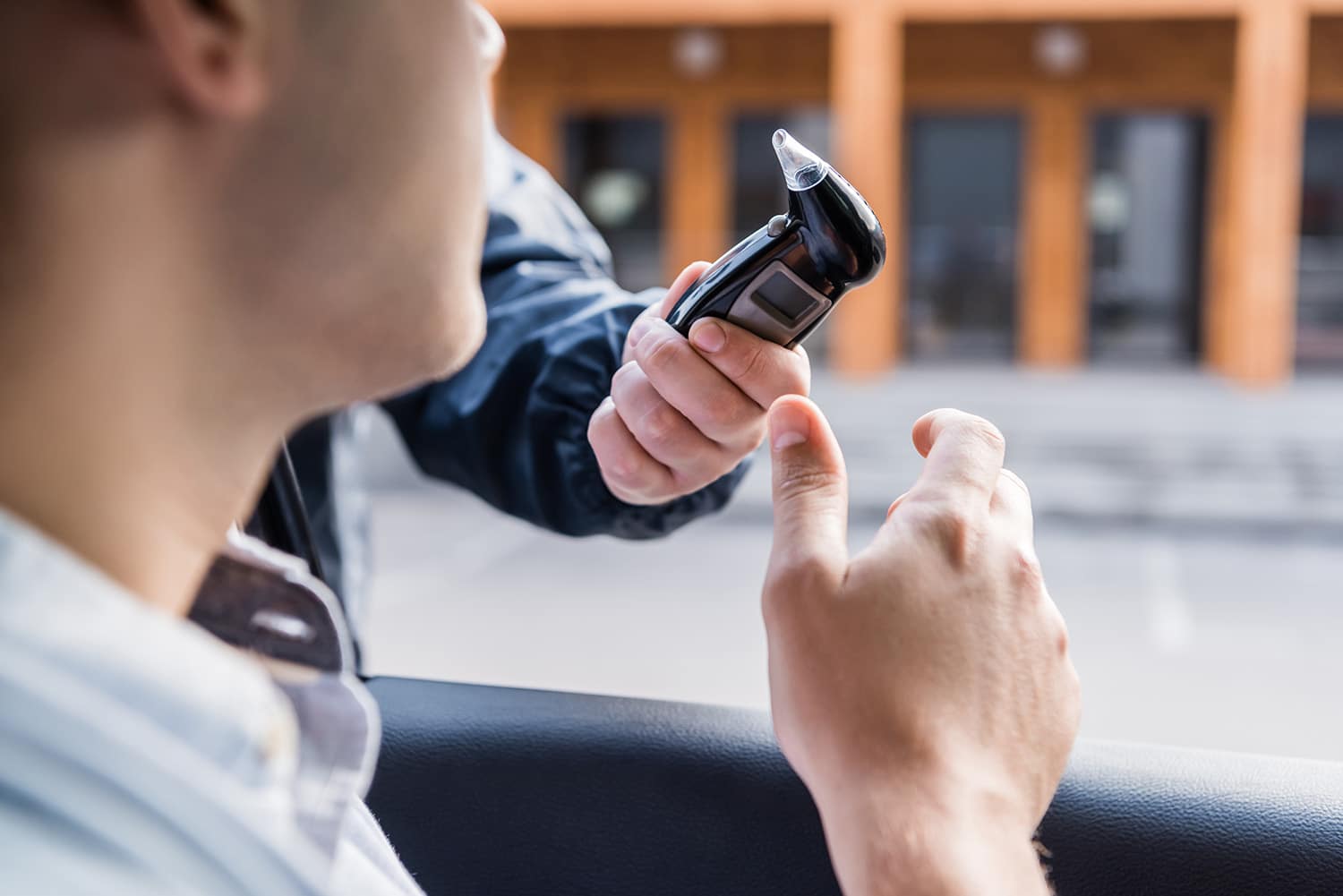
It is important to distinguish between the two types of breath tests you may encounter. The first is the preliminary breath test, or PBT, which is the small handheld device an officer may ask you to blow into at the roadside before any arrest. The PBT is a screening tool used to help the officer establish probable cause. For most drivers, refusing the roadside PBT does not trigger the implied consent penalties. However, refusing the PBT may give the officer probable cause to arrest you.
The second type is the evidentiary test administered after arrest, typically on a larger machine at the police station, or through a blood draw at a hospital. This is the test covered by the implied consent law. Refusing this post-arrest test is what carries automatic penalties, and this is the refusal that matters most.
What Happens If You Refuse?
Refusing an evidentiary chemical test in Wisconsin is treated as a civil violation with its own set of consequences, independent of whether you are ever convicted of OWI. Those consequences include:
- A driver’s license revocation of one year for a first refusal, with longer revocations of two or three years for second and subsequent refusals within a ten-year period
- A 30-day waiting period before you can apply for an occupational license after a first refusal, compared to immediate eligibility in many first-offense OWI cases
- Mandatory installation of an ignition interlock device on your vehicle
- The fact of your refusal being used against you in court as evidence of consciousness of guilt
In many respects, the penalties for refusing are harsher than the penalties for failing the test on a first offense. There is another critical point that many drivers misunderstand. Refusing the breath test rarely prevents the State from getting a sample. Officers can and routinely do obtain a warrant for a blood draw, often within an hour, by contacting an on-call judge. In that scenario, you face both the refusal revocation and the OWI prosecution supported by blood evidence.
The Refusal Hearing: A Strict 10-Day Deadline
A refusal citation is not automatically final. You have the right to challenge it at a refusal hearing, but you must request that hearing within 10 days of receiving the notice of intent to revoke your operating privilege. Miss the deadline, and the revocation takes effect without any review. However, you may be facing an uphill legal battle at this hearing.
The issues at a refusal hearing are limited but meaningful. Your attorney can challenge whether the officer had probable cause for the arrest, whether you were properly informed of your rights and the consequences of refusal under the Informing the Accused form, and whether your conduct actually amounted to a refusal. Medical conditions that prevent a person from providing an adequate breath sample, for example, are not refusals under the law. A successful refusal hearing can preserve your license and weaken the State’s position in the related OWI case. Even when the hearing is not won outright, it provides an early opportunity to question the arresting officer under oath and lock in testimony that can be used later.
What Happens After an OWI Arrest in Wisconsin?
The hours and days after an OWI arrest move quickly. After booking, you will be released with paperwork that may include an OWI citation, a refusal notice, or both, and each document carries its own deadlines. If you submitted to testing and the result showed a prohibited alcohol concentration, you will receive a notice of administrative suspension, which takes effect 30 days after the notice date unless you request an administrative review within 10 days. If you refused, the separate 10-day refusal hearing deadline applies.
Your first court appearance follows soon after. A first-offense OWI is typically a civil forfeiture matter handled in municipal or circuit court, while repeat offenses and aggravated circumstances are criminal charges that can carry jail time. Between arrest and resolution, there are opportunities to challenge the stop, the field sobriety tests, the probable cause for arrest, and the testing procedures themselves. Evidence such as squad car video can be lost or recorded over, so the sooner your attorney begins working, the more options you keep open.
Arrested for OWI or Cited for Refusal in Wisconsin? Call Hogan Eickhoff Today
The clock starts running the moment you are cited for a refusal, and the 10-day hearing deadline arrives fast. The experienced Wisconsin OWI defense lawyers at Hogan Eickhoff know how to challenge traffic stops, breath tests, and refusal allegations, and we offer free consultations so you can get answers without risk. Contact us today at (920) 450-9800 or visit our website to schedule your free consultation before your deadline passes. Learn more about the ways we can help defend various misdemeanors and felonies including property crimes, sex offenses, drug offenses, domestic violence, and violent crimes.