
Expungement Eligibility in Wisconsin: What Cases Qualify and How to Apply

August 25, 2026 | Criminal Convictions

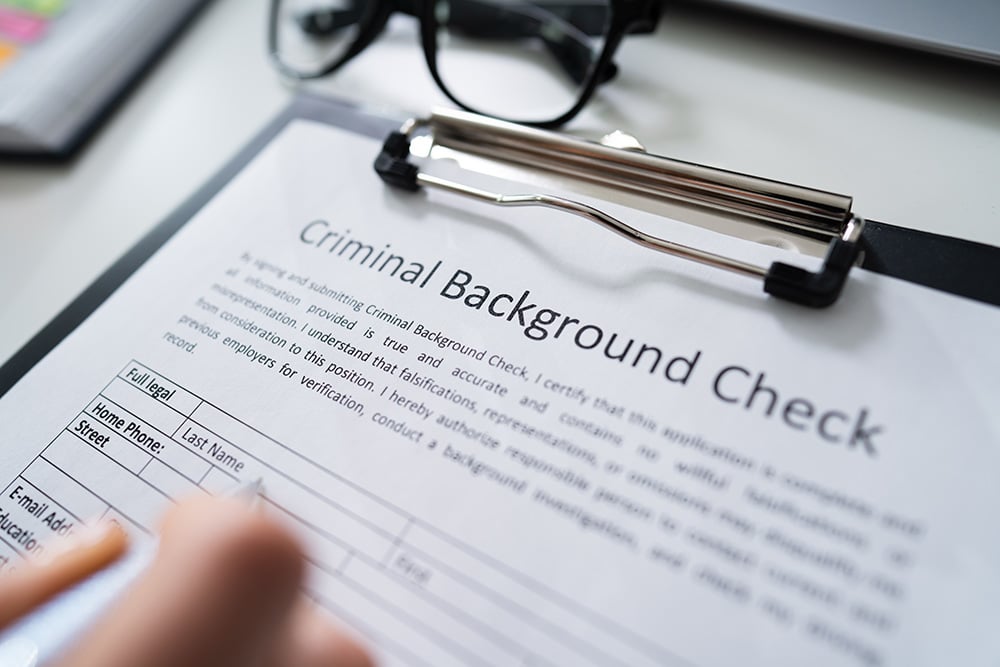
A criminal record can follow you for years after a case is closed, showing up on background checks for jobs, housing, and professional licenses. If you were convicted of a crime in Wisconsin, you may be wondering how to clear your record in Wisconsin and whether expungement is an option. The answer depends on several factors, including the type of offense, your age at the time of the crime, and whether the judge ordered expungement at sentencing. The criminal defense attorneys at Hogan Eickhoff help clients throughout Wisconsin understand their options and pursue expungement when eligible. What Is Expungement Under Wisconsin Law Expungement is a legal process that allows certain criminal records to be sealed from public view once the terms of a sentence are successfully completed. Under Wis. Stat. § 973.015, a court may order that the record of a conviction be expunged upon successful completion of the sentence, … Continued

Read More

Can a Criminal Conviction Affect My Future Employment?

July 31, 2026 | Criminal Convictions

If you are currently facing criminal charges in Appleton, one of the biggest questions on your mind should be “what happens in court,” but “what happens after.” You may only see what is immediately in front of you, but you must also think about the future. Long after your case is resolved, the choices you make right now, whether to fight the charge, accept a plea, or pursue an alternative resolution, can shape your ability to get hired for years to come. At Hogan Eickhoff, our criminal defense lawyers help clients think through their case with an eye toward the future, not just the immediate outcome, because the two are often more connected than people realize. Possible Employment Protections in Wisconsin Wisconsin law offers real protections for people with criminal records in the hiring process, but those protections have limits. Although you cannot necessarily see into the future, you must … Continued

Read More

Can You Refuse a Breathalyzer in Wisconsin?

June 10, 2026 | Criminal Defense Attorney

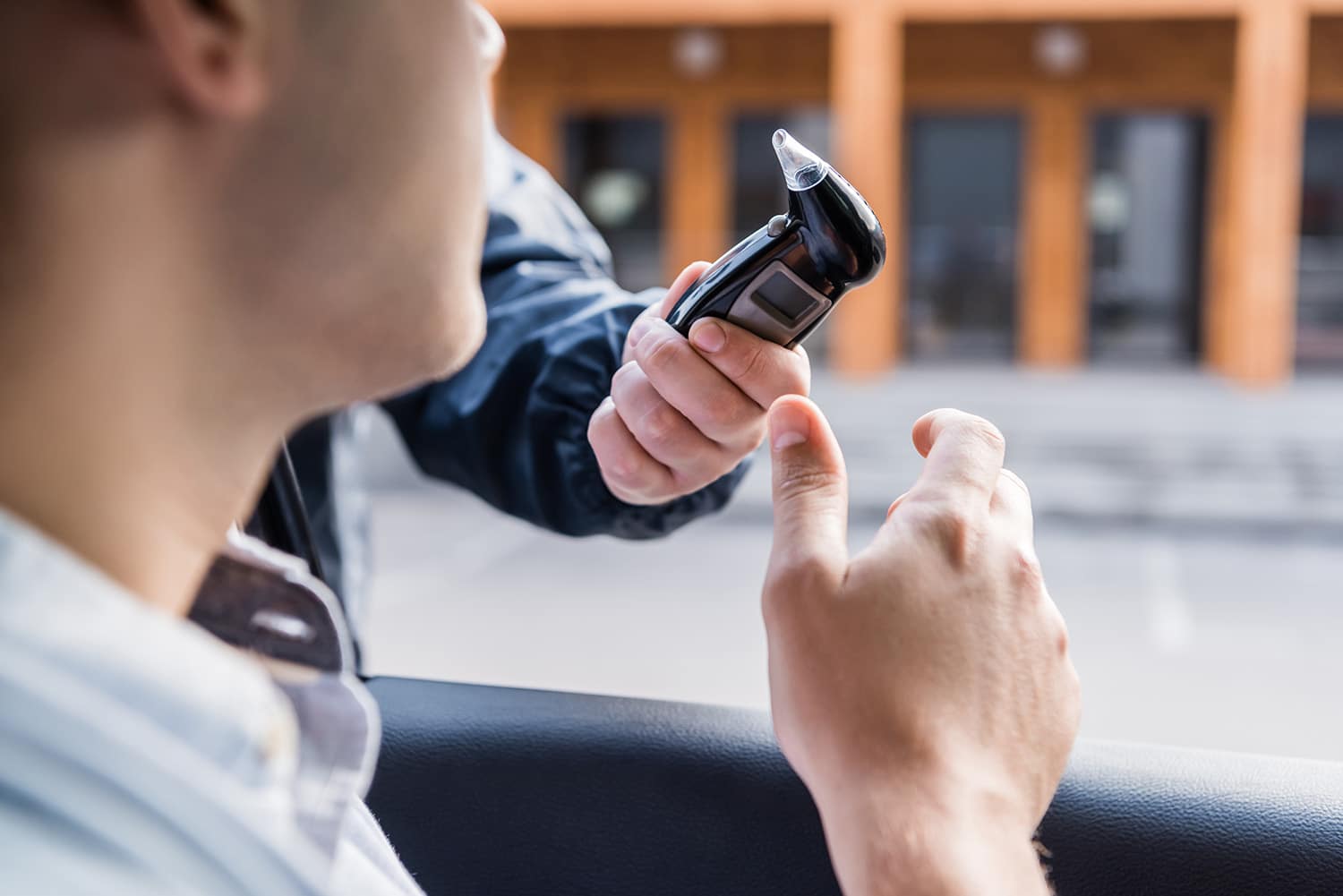
It is one of the most common questions drivers ask after a traffic stop goes wrong: can you refuse a breathalyzer in Wisconsin? The short answer is that you can physically refuse, but doing so carries serious and automatic consequences for your driver’s license, and it will not necessarily keep the State from obtaining evidence against you. Wisconsin’s implied consent law makes refusal its own violation, separate from any drunk driving charge. If you have been arrested for OWI or cited for refusing a chemical test, the criminal defense attorneys at Hogan Eickhoff can protect your license and your record. Understanding how the law works is the first step. Wisconsin’s Implied Consent Law Under Wisconsin Statute Section 343.305, anyone who drives on Wisconsin roads is deemed to have already consented to chemical testing of their breath, blood, or urine when a law enforcement officer has probable cause to believe they … Continued

Read More

What is Clemency in Wisconsin, and How Can it Help Me?

May 25, 2026 | Criminal Convictions

If you or a loved one is serving a sentence that feels unjust, excessively harsh, or no longer reflects the circumstances of your case, clemency may offer a path forward. Clemency is a formal act of mercy granted by a government authority, allowing sentences to be reduced, suspended, or erased entirely. It exists outside the traditional appeals process and can provide relief when the courts cannot. It helps your application when you have an experienced Appleton criminal defense lawyer at Hogan Eickhoff guiding you. Clemency is a direct and special relief that you can only obtain directly from the Governor of Wisconsin. Clemency describes leniency that the Governor may give to you or an incarcerated loved one. It is an umbrella category that encompasses relief that can either reduce a jail sentence or eliminate the conviction altogether. The following are forms of relief that you can receive through the clemency … Continued

Read More

New Executive Orders Institute a Commutation Process in Wisconsin

April 25, 2026 | Criminal Convictions

Governor Evers recently signed two Executive Orders relating to commutations of sentences. Executive Order 287 creates an advisory board to evaluate requests for these actions. Executive Order 288 creates a process to evaluate commutations for life sentences imposed for crimes that the defendant committed as a juvenile. These Executive Orders are intended to reform Wisconsin’s criminal justice system and to restore a process that has not been utilized in the state for 25 years. As such, it is essential that you understand the forms of relief available to you and the differences between them, which you can learn by speaking with a criminal defense lawyer at Hogan Eickhoff. Executive Order 287 Signed by Governor Tony Evers on April 3, 2026, Executive Order 287 restores Wisconsin’s commutation process for the first time in over 25 years. A commutation reduces a prison sentence and differs from a pardon, which only restores certain … Continued

Read More

How an OWI Conviction Can Affect Your Livelihood

March 10, 2026 | Criminal Defense Attorney

Most people facing an OWI charge in Wisconsin think first about the immediate consequences, such as fines, license suspension, and the possibility of jail time. Those are serious concerns, but the long-term impact on your career and financial stability can be just as devastating, and in some cases, far more lasting. A conviction follows you well beyond the courthouse, reaching into your workplace, your professional licenses, and your ability to earn a living for years to come. At Hogan Eickhoff, our criminal defense attorneys have seen firsthand how a single OWI conviction can derail careers that took years to build. We know what is at stake, and this is one of the most compelling reasons to fight your charge from the very start. Jobs That Require a Clean Driving Record If your job involves getting behind the wheel in any capacity, an OWI conviction creates an immediate problem. Employers in … Continued

Read More

How Prior Convictions Can Affect Current Criminal Cases

February 10, 2026 | Court Hearings

The facts of a criminal case in the eyes of a judge or prosecutor can become worse based on what you may have been convicted of in the past. In some cases, a statute could have a specific enhanced penalty for those who are repeat offenders. In other cases, a prosecutor may seek a more stringent sentence (or the judge could impose one) based on your criminal history. Whether you are facing first-offense charges or a repeat offense case, an Appleton criminal defense attorney at Hogan Eickhoff can work to protect your legal rights and seek the best possible outcome in your case.Some Criminal Offenses Automatically Have Repeat Offender EnhancementsNumerous criminal statutes in Wisconsin provide for enhanced charges based on repeat offenses. Operating a vehicle while intoxicated (OWI) is one particularly common example. The type of charges that you will face, and the penalty if you are convicted, become more … Continued

Read More

Defending Against Weapons Charges in Wisconsin

January 20, 2026 | Court Hearings

Even if you have been charged with weapons violations in Wisconsin, a conviction is not a foregone conclusion. You still have multiple legal options available to you. It may be possible to successfully defend against these charges, but you must act now to secure a criminal defense lawyer and begin work on your case. Once you have an attorney, they can review the circumstances of your case to help determine whether you have any valid defenses to the charges against you.The experienced Appleton criminal defense attorneys at Hogan Eickhoff can provide you with common-sense and hard-hitting legal representation when you are facing weapons charges in Wisconsin. The sooner you call, the sooner we can begin building a strong defense tailored to the specifics of your case.Common Weapons Charges in WIWisconsin law imposes serious penalties for weapons offenses, with charges ranging from misdemeanors to felonies, depending on the circumstances. Common weapons … Continued

Read More

Challenging Intent in Criminal Cases in Wisconsin

January 9, 2026 | Criminal Convictions

If you’re facing criminal charges in Wisconsin, understanding the role of intent can make the difference between conviction and acquittal. Many felony charges and serious criminal offenses require prosecutors to prove you intended to commit the crime, not just that you committed the act itself. Even when evidence shows you performed certain actions, the case against you can fail if prosecutors cannot demonstrate you had the requisite intent. At Hogan Eickhoff, our experienced Appleton criminal defense lawyers know how to challenge intent evidence and build strong defenses for our clients. Contact us today if you have been arrested or charged with a crime.What Is Criminal Intent in Wisconsin Law?Criminal intent, also known as “mens rea” or state of mind, refers to your mental state when committing an alleged criminal act. Wisconsin criminal law recognizes that not all harmful actions deserve criminal punishment unless the person acting had a culpable mental … Continued

Read More

How Prior Convictions Can Affect Current Criminal Cases

September 9, 2025 | Criminal Convictions

Any type of criminal charge in Wisconsin is serious, and it could result in potential penalties if you are convicted. The stakes are already high enough, but they can become higher if you have already been convicted of a prior offense. Therefore, if you have prior convictions and you have been charged with a crime again, it is even more vital that you hire a criminal defense attorney from Hogan Eickhoff to represent you in the legal process. There is a greater possibility that you could be facing prison time and other tough consequences in the event of a conviction. There are numerous instances in the overall criminal justice process where prior convictions may come into play. From the decision about how to charge you to the sentence you may receive if you are convicted, things may be different for you in the overall process.

Read More