
Body cameras are increasingly being used by police departments throughout Wisconsin. Although there is no statewide mandate, individual departments are making it mandatory for officers to wear these body cameras in the performance of their duties. Presumably, body cameras are intended to protect citizens, as a police officer knows that all of their actions are subject to recording. Body cameras can be a double-edged sword in your criminal defense case. Depending on the evidence that was captured, a body camera can either help or hurt your case. An Appleton criminal defense attorney at Hogan Eickhoff can investigate your case and determine what evidence may help you fight the charges against you.
The body camera records the circumstances surrounding your arrest. Whether the police officer has made a traffic stop or is responding to a call, they must activate the body camera prior to encountering you. The entire encounter between you and the police, starting from the point at which they may have apprehended you, and carrying through to your arrest, should have been recorded.
Body camera evidence must be preserved under public records laws in Wisconsin. The police department cannot destroy the recording, even if it does not support their own side of the story. If they do, the police officer and department could face serious consequences, both in terms of your own case and overall discipline. The agency must release the body camera footage to your criminal defense lawyer after they have requested it, although there may be delays in when the police department makes it available to you.
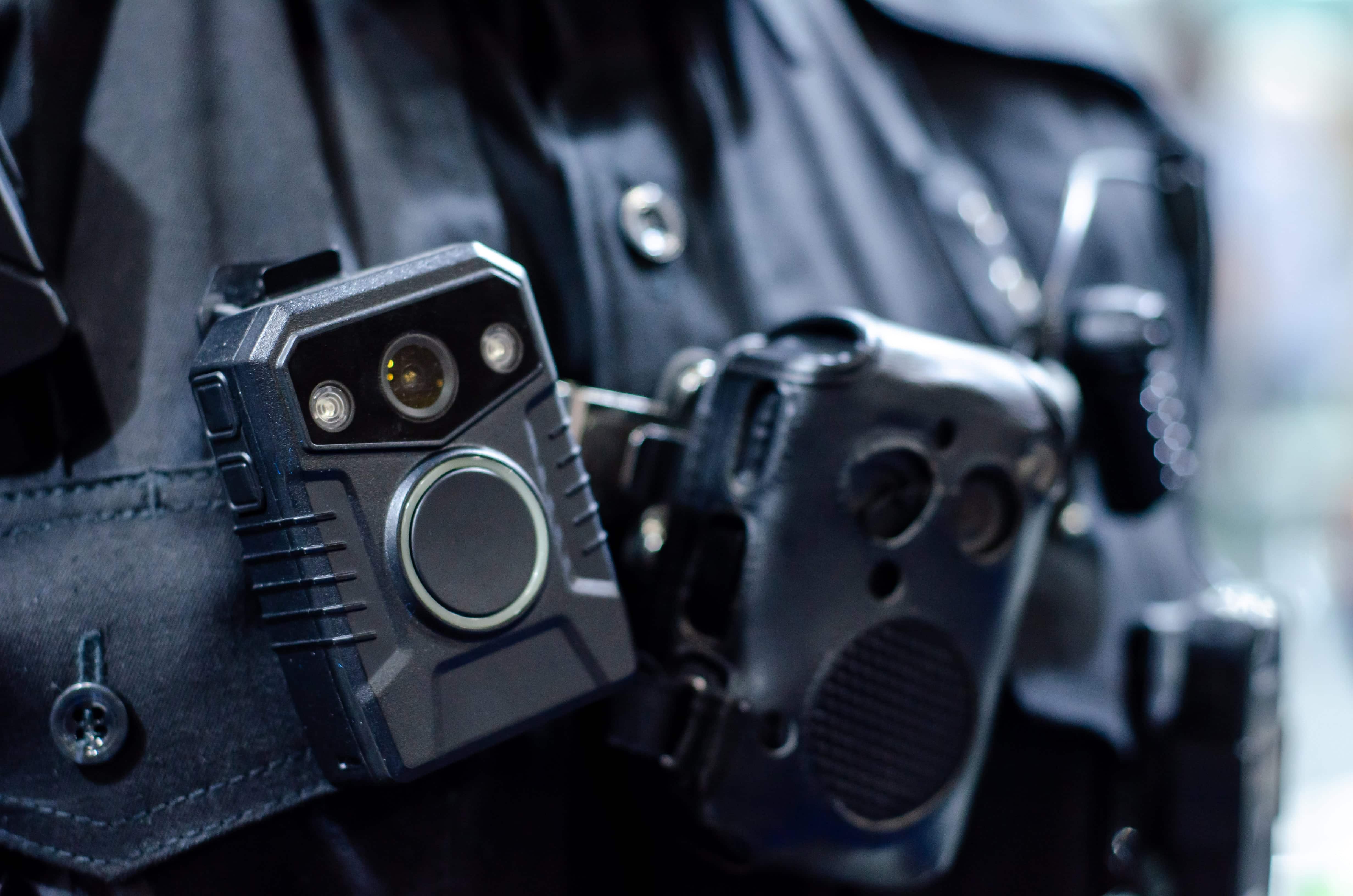
Body Camera Evidence Can Potentially Help Your Defense
One way that you can defend against criminal charges is when you are able to prove that the police officer violated your rights at the time of arrest. You may be able to obtain the police body cam footage that shows what happened in the circumstances surrounding your arrest. This footage is a matter of public record, and your criminal defense lawyer can obtain it on your behalf. Under Wisconsin law, body and dash cam footage can be requested through a specific process. It can only be withheld (either completely or partially) under certain limited circumstances. Anybody can obtain body cam footage, and your criminal defense attorney should certainly have this right, especially when the information is relevant to your defense.
Once you have the body cam footage, you have a contemporaneous record that should speak for itself. The footage reveals exactly what the officer saw and heard at the time that they encountered you. The recording is an effective witness on its own, provided that you are able to obtain the entire recording.
Body cam footage can be helpful in a number of respects. One of the most commonly disputed aspects of a criminal case is whether the police had probable cause to either arrest you or to conduct a search of a specific area. Although the body cam footage may not show what the officer may have seen or learned prior to your encounter, it will show what the officer learned once they began to talk to you. It may be possible to show that any reasonable suspicion that the police officer had to stop you did not grow to become probable cause once they began their investigation.
Body cam recordings may also serve as evidence that your rights were otherwise violated during an encounter or an arrest. For example, the police officer may not have read your rights, or they may have continued to question you after you expressed your desire to have an attorney present. This could become apparent from the viewing of the body cam footage. However, there could also be things that happen once the body camera has been turned off, so you should not exclusively rely on what has been recorded.
Body Camera Footage Can Also Be Used Against You
The prosecutor may turn to body cam footage in an effort to either prove their case against you or to rebut your own allegations that your rights were violated. What is on the recording could also serve to corroborate what the police officer may say as part of their own testimony. Then, you may be in a position of having to either dispute the authenticity of the footage or having to argue that certain things were not shown (or were taken out of context). While body cam footage may tell part of the story, it does not tell the complete story. There may be other forms of evidence that could strengthen your own case, such as the testimony of witnesses who saw what happened at the time of the encounter.
A Criminal Defense Lawyer Can Help You Use or Fight Body Cam Footage
Rules of evidence apply to body cam footage, since it is proof that is being used in your case. Then, you must also know how to use any body cam evidence in support of the case that you would present if you fight the charges against you. An experienced criminal defense lawyer both knows how to obtain the footage that you need for your case and how to use it to your benefit. They also know how to challenge this evidence if the prosecutor is trying to use it against you in court. Since this footage can be a double-edged sword in your case, you must have an experienced criminal defense lawyer who knows how to navigate this potential minefield on your behalf. You could end up with a very valuable tool that you can use in your defense.
Contact an Appleton Criminal Defense Attorney
If you are facing criminal charges in Wisconsin, you should never try to navigate the criminal justice system without the help of an experienced attorney. The Appleton criminal defense lawyers at Hogan Eickhoff can work to protect your legal rights and fight to obtain the best possible outcome in your case. The first step that you must take immediately is to call us today at (920) 450-9800 or message us online to schedule a free initial consultation. The longer you wait to make this call, the more your legal rights may be at risk.